
Cyclist Safety, Personal Equipment, Road Safety, Safety and Security
Make cyclists safer on the road


© Ploughshare Innovations Ltd 2025. Registered in England and Wales No. 04401901




A new ceramic nanocomposite material – Carbon Reinforced Boron-subOxide Nanocomposite (CaRBON) – has been developed to overcome the limitations of current materials on the market used for ballistic armour and industrial abrasives. It is lightweight, hardwearing, and radiation resistant, with enhanced performance compared to other alternatives on the market.
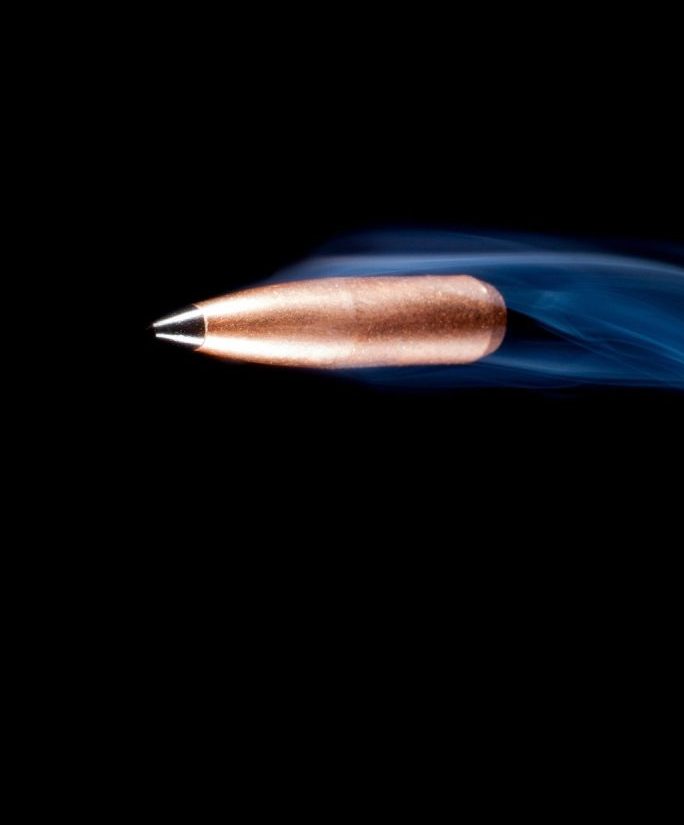
Armour materials that are widely used at present, such as alumina, silicon carbide, and boron carbide (B4C), each have drawbacks in terms of weight and/or protection capabilities.
Materials that are too heavy can cause issues in applications where payload and efficiency must be prioritised, such as in aircrafts, plating for light vehicles, and in body worn systems where additional weight can reduce usability and practicality. In military applications, high kinetic energy threats can also create risks for certain classes of materials – such as the collapse of their crystal structures and deterioration of their mechanical properties, rendering the protection ineffective.
Another key material, Boron Suboxide (B6O), has one of highest known hardness values and lowest densities compared to other common armour ceramics, mitigating the above issues. However, it has its own challenges in the ‘sintering’ process (how it is fused together at a high temperature and high pressure), making it more costly to manufacture, and the comparatively low fracture toughness of this material also limits its use. It was essential for a new material to be developed to resolve these drawbacks.
Developed by AWE, a new material (CaRBON) has been designed to provide a solution to the common drawbacks associated with both traditional armour materials (including B4C) as well as pure B6O alternatives. The result is a nanocomposite material technology that is capable of providing multiple types of protection for users, while being easier to manufacture.
CaRBON combines complimentary traits of the existing materials B4C and B6O, which provide a greater level of hardness than B6O alone (by increasing densification during the fusing process), and is more robust than B4C, with little indication of ‘amorphisation’ (loss of crystal structure) – resolving the significant issues for these materials. This creates a novel high-performance material without the problem of adding extra weight.
CaRBON has a unique composite structure to both B6O and B4C and has also demonstrated beneficial properties for neutron radiation shielding. Samples subject to high energy neutron radiation exposure showed no visible signs of damage and low measured radioactivity levels (0.2 mSv over eight consecutive days of testing – less than the radioactivity of two bananas).
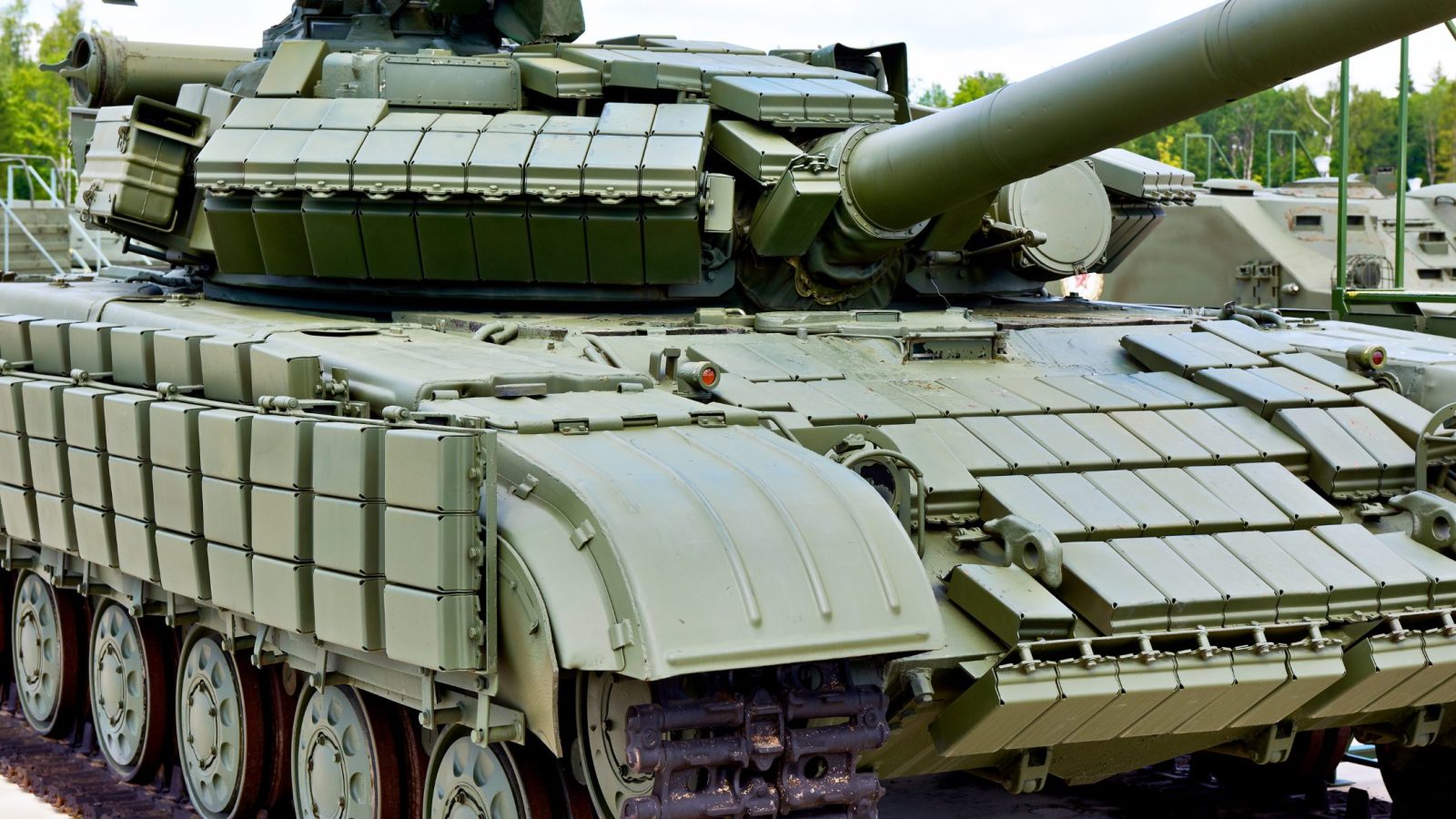

Due to the balance between high performance, hardness, and lightweight properties, this material is ideal for land-based military and airborne applications, such as rotary wing aircraft.
The robustness and high hardness of this material makes it a desirable choice for industrial machinery, such as drilling and mining technology.


This material can improve safety in environments with high radiation – including uses such as radiation absorption, moderator rods, and neutron moderation.
If you would like to discuss this technology or collaboration opportunities with our team, please get in touch below.
"*" indicates required fields
© Ploughshare Innovations Ltd 2025. Registered in England and Wales No. 04401901