
Data Analysis, Digital Science, Product Recommendations, Software
Unlock powerful and highly sophisticated data insights and product recommendations


© Ploughshare Innovations Ltd 2025. Registered in England and Wales No. 04401901



Most medical first responders prioritise treatment over documentation while attending to patients during pre-hospital emergency care (PHEC). This means that logging data and actions after an event relies on memory, and can lower the accuracy and efficiency of the information being captured. A new hands-free technology mitigates this issue, enabling first responders to digitally document information during PHEC in real-time.
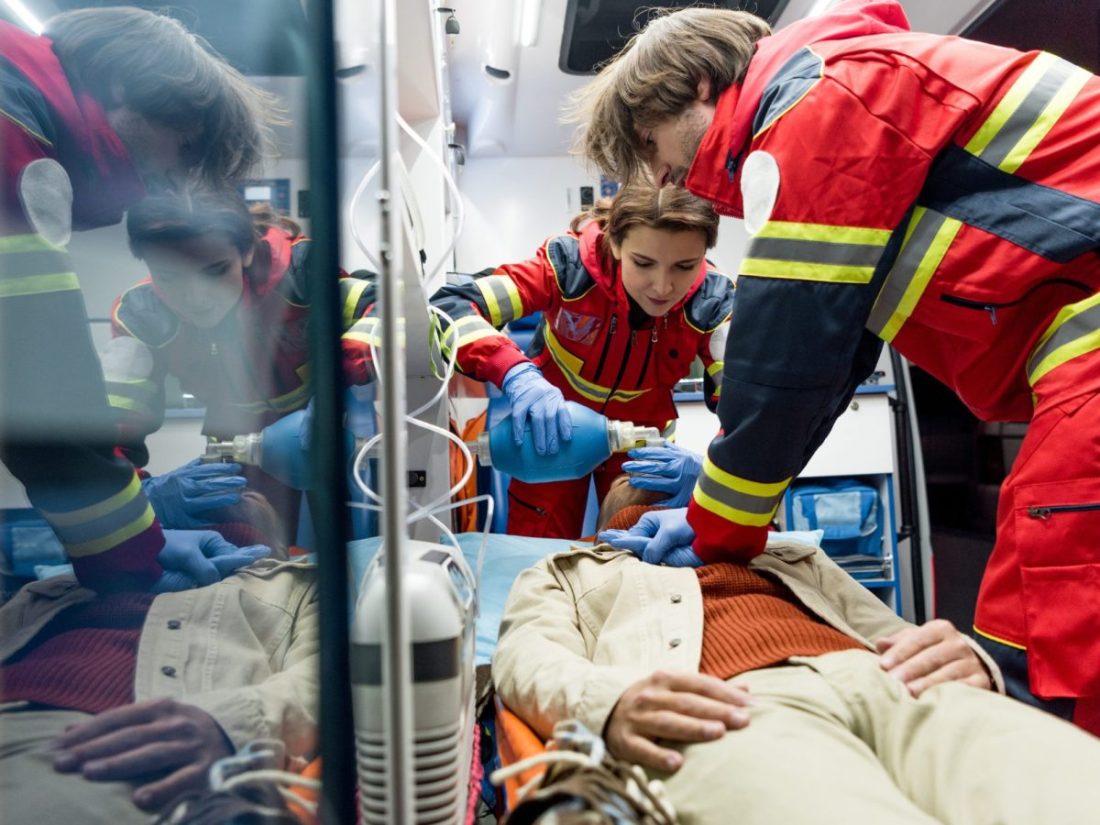
Capturing accurate PHEC data is absolutely vital to ensure the best possible patient care and improve patient outcomes. However, medical first responders are currently required to manually update data for their patients, which is usually completed after an event. This means they are often relying on memory alone, which deteriorates quickly and can lack detail, risking inaccuracies and critical information being forgotten. This manual process also slows down the handover of patient information to hospital care, which can be detrimental to patients requiring urgent treatment.
Less accurate, incomplete, slower transfer of information can reduce the quality of care medical professionals are able to provide, potentially negatively impacting patient outcomes. This challenge is further emphasised in the military environment due to additional pressures, constraints, and the likelihood of more severe injuries requiring immediate medical action.
There are a growing number of studies showing the benefits of a well-functioning PHEC system; for patients with serious injuries, preventable trauma deaths are significantly reduced following the implementation of improved processes and systems for trauma care.
Developed by MOD, the ‘Fennec Digital Scribe’ is a PHEC digital voice scribe app for smartphones that enables concurrent, accurate, hands-free digital documentation that a first responder can use in real-time whilst treating patients in the field. The technology overcomes background noise so the first responder can talk through any relevant or necessary information, data, or actions to be recorded at the time of treatment – significantly lowering the risk of missing or inaccurate data collection.
With the app’s enhanced usability, the technology enables highly accurate information to be captured quickly, combining voice recognition alongside contextual data inputs (the user can add additional notes, photos, and confirm the information recorded easily and efficiently), to provide elevated patient care, remove hurdles in the handover process, and ultimately improve patient outcomes.
The app has been developed for use on Android smartphones, with the potential for further development for compatibility with all smartphones. It can be used for both civilian and military medical use, and is optimised for military vocabulary for the operational environment.
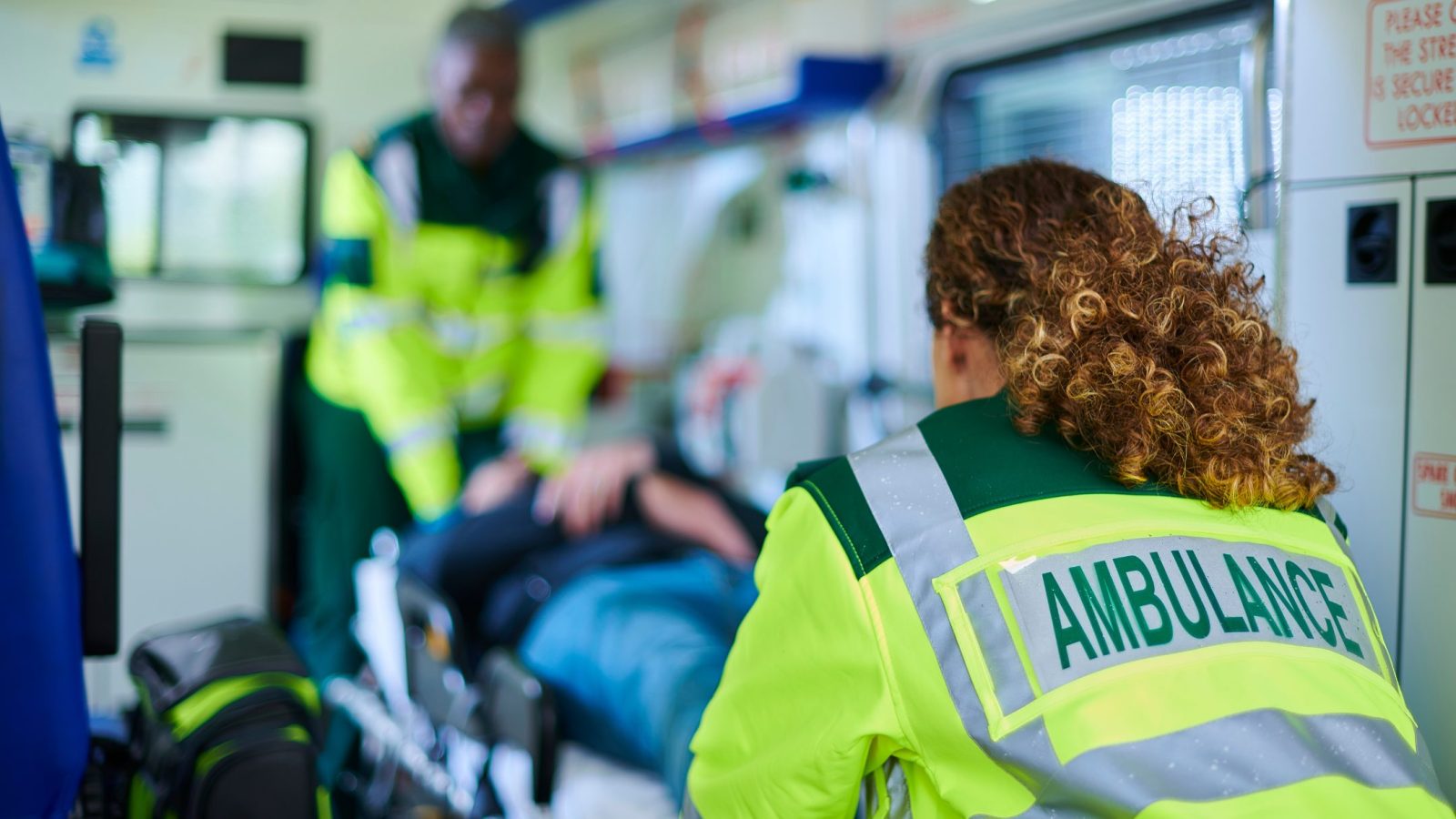
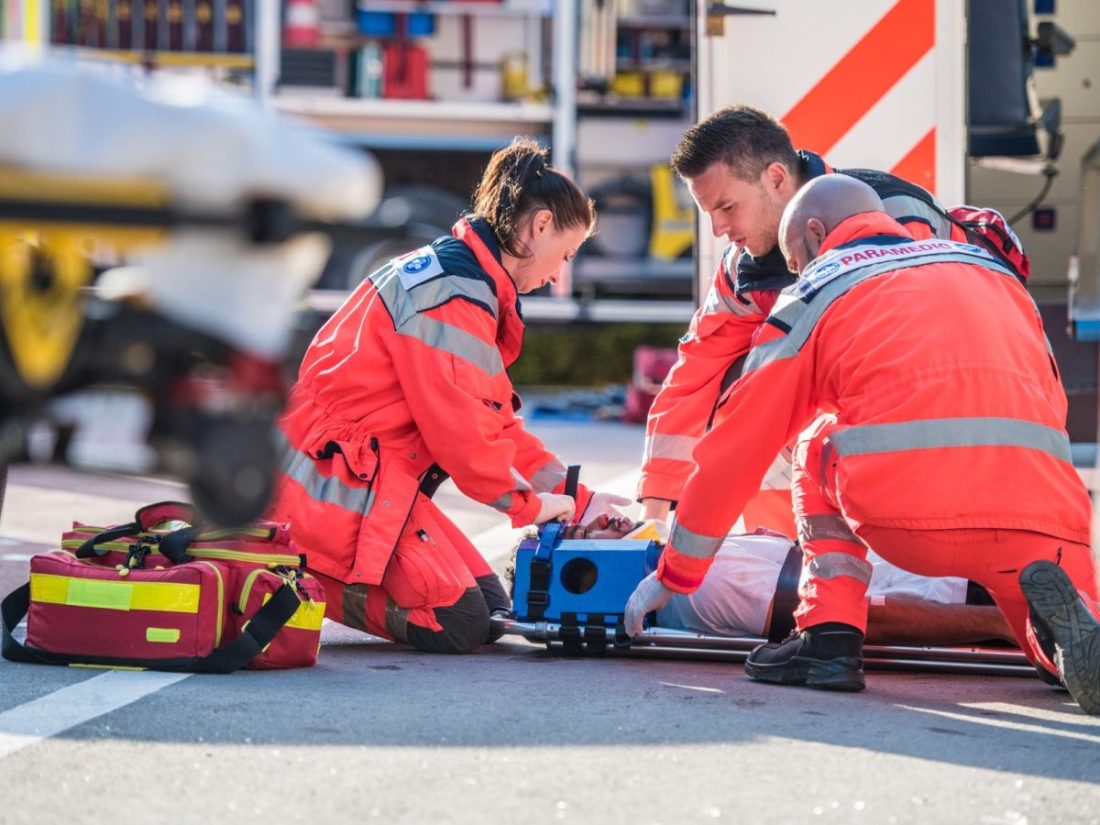
This technology can be used by all first responders in both civilian and military environments for concurrent, hands-free, real-time digital documentation while treating patients in the field, to increase the accuracy, detail, and efficiency of data collected ready for handover to hospital or military casualty care.
If you would like to discuss this technology or collaboration opportunities with our team, please get in touch below.
"*" indicates required fields
© Ploughshare Innovations Ltd 2025. Registered in England and Wales No. 04401901